

Dead Women
a deep-dive on Mistki's new song

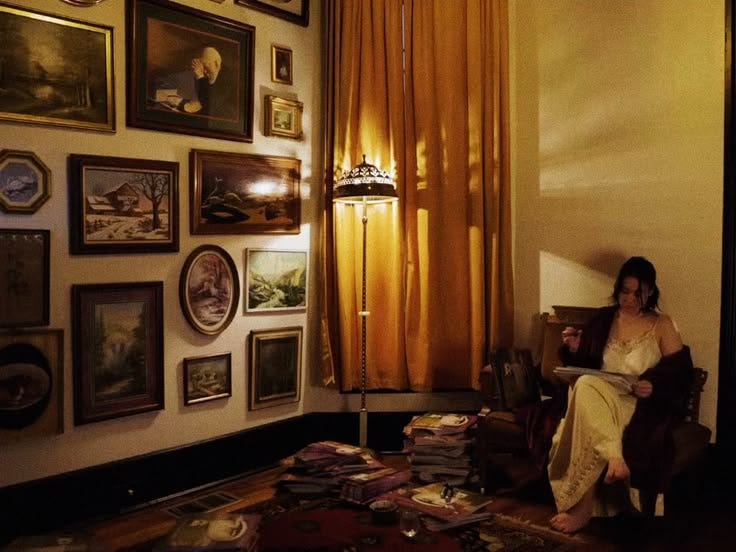
Would you have liked me better if I’d died
So you could tell my story the way it ought to be?
You’d find my parents and ask to see my things
Rifle through it all, fill the blanks with what you needIf I'd died willing, you'd have taken it nice
If I'd sewn rocks in a dress, gone with grace into a lake
But since I'm alive, you'll have to break in as I sleep
When you find my love beside me
Choke him dead for having meWhile I dream of flying, stab me twenty-seven times
Ransack the house for what you'll auction, what you'll keep
Then embalm me up 'cause you're hosting the viewing
Saying: She gave her life so we could have her in our dreams
She gave her life so we could fuck her as we please
✉️ This post is too long for email. To view its entirety, please open it in the Substack app or on your browser. Thank you.
On February 27th of this year, Mistki released her eighth studio album. Upon listening to it, just once, I knew I absolutely adored it. In particular, there were a few songs which I made sure to relisten to an embarrassing amount of times—and one of those songs was the fifth track, Dead Women.
I first heard this song while in the car with one of my dear friends, and at the time we had been talking about anatomy and how I held an interest in the subject in a strange way, moreso from the interest of a writer than a typical scientific interest. Once we ventured to the topic of body farms, the eerily charming melodic sounds of the radio caught our attention, and the title only held us more.
“This is the perfect song for this conversation,” Jessie remarked, with a laugh.
When I got home later that day, it was the first song I put on with my headphones, immediately captivated, and deserving of all my attention. Hearing the lyrics under closer observation, I couldn’t help but wonder what exactly Mitski meant by the whole thing, especially since every single line seemed to be articulately placed, in a poetical message to herself and the listener.
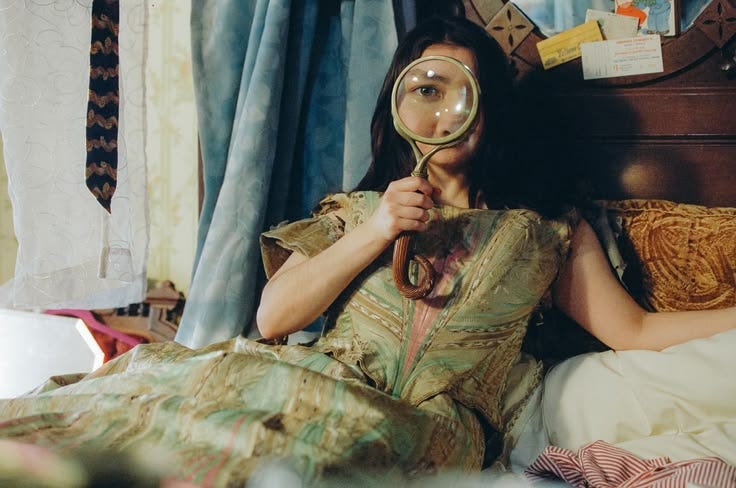
There could easily be two distinct messages sewn between the lines of her new haunting tune, which would be either literal or metaphorical. Personally, I believe it holds much of both, and could easily be interpreted as either (both standing important).
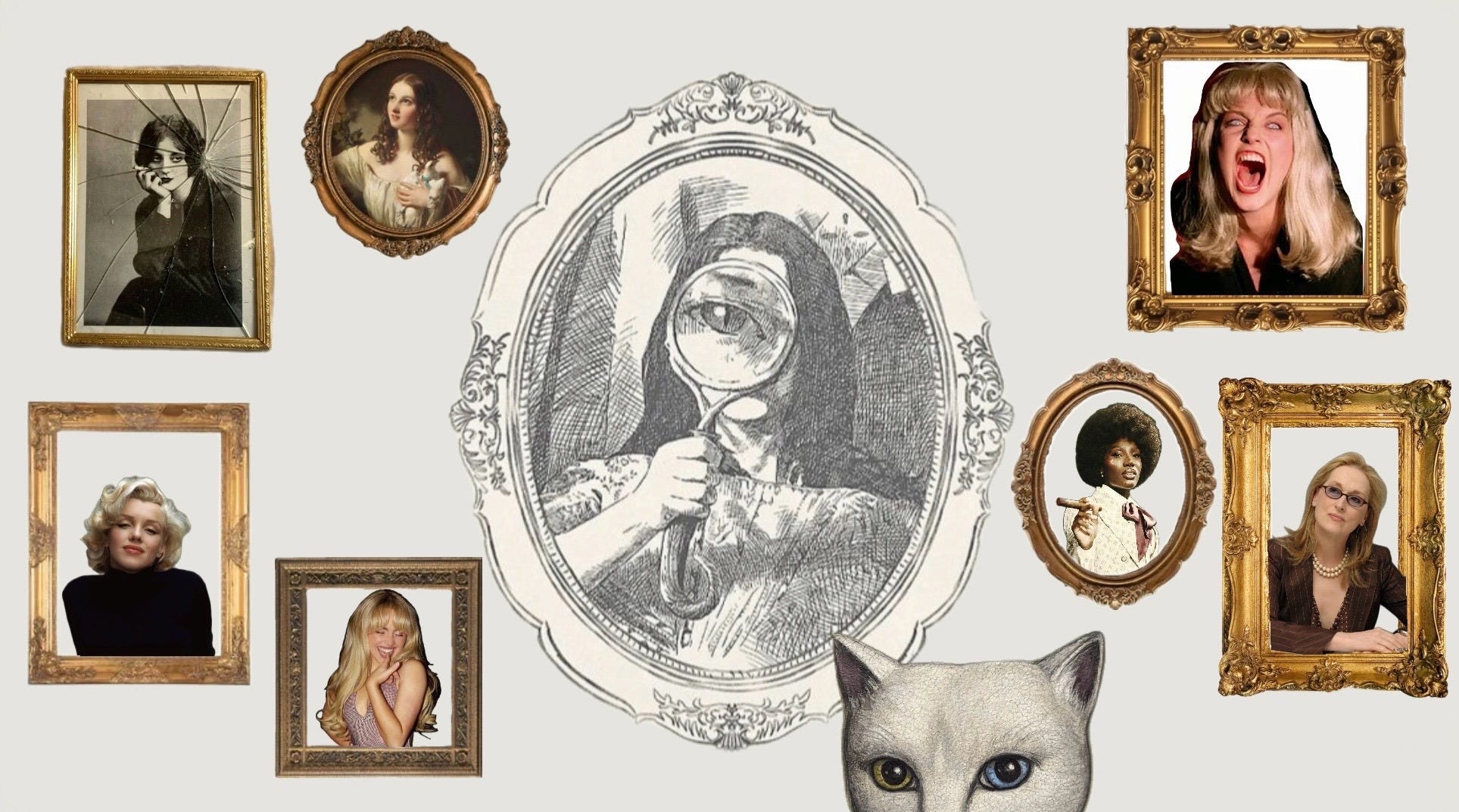
Women are a conversation topic in all sorts of ways. From the romanticization (not to mention the fetishization) of women, to the obsession with analyzing and nitpicking everything there is to take notice to about a woman—and it most certainly does not stop at the living, almost growing more drastic in a way towards those females deceased.
Dead women are a societal obsession. Diana Spencer, Sylvia Plath, Marilyn Monroe: they are women who were very well chewed up and spit out by the men (and everyone else) who have adored worshiped them. Each woman, though in what way specifically, it somewhat varies, it always translates as a hunger in the end.
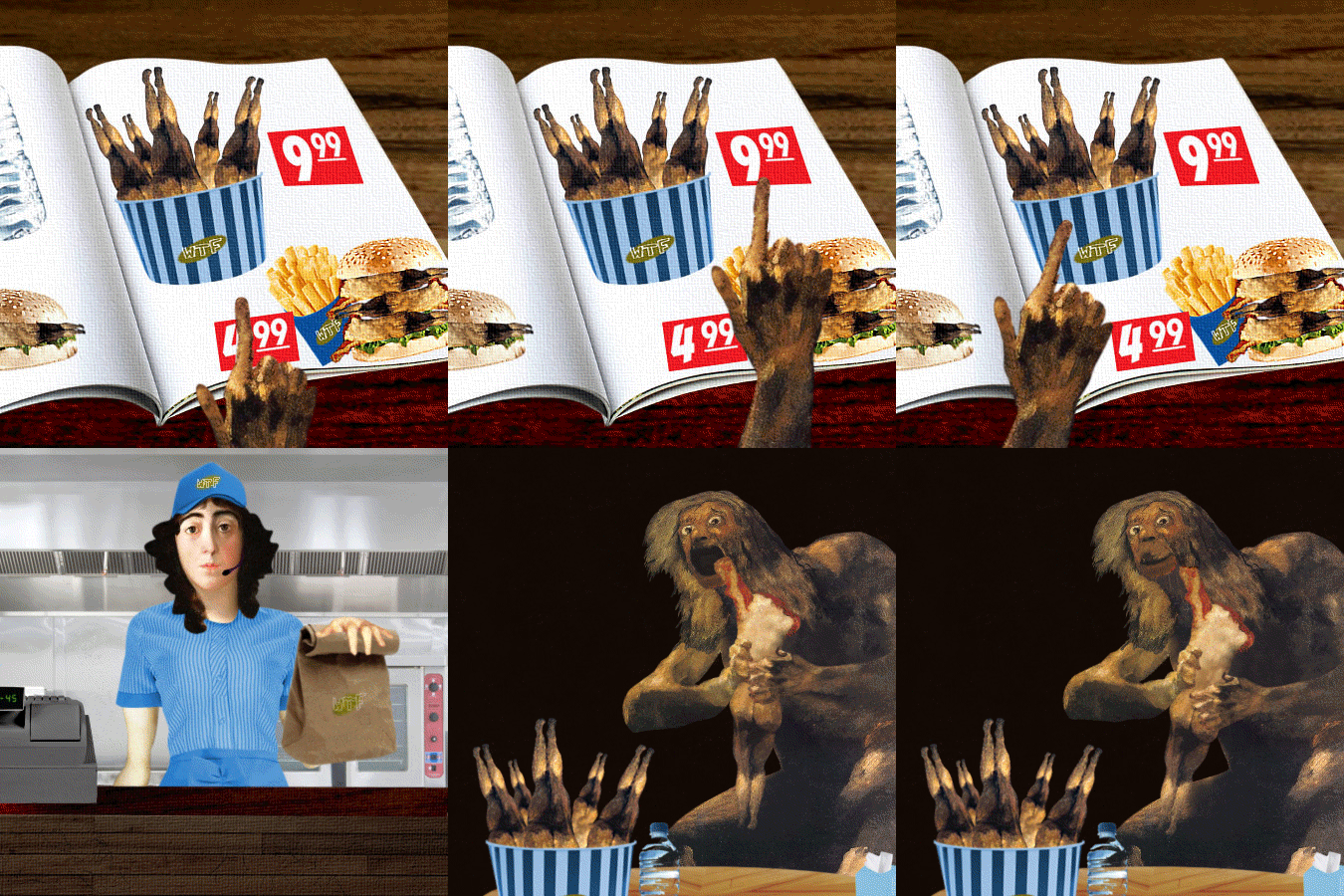
Why are women society’s favorite meal?
Living women have to witness their death in the media, experiencing harassment and obsession in many a ways. Take a scroll on any platform, and I can guarantee one would very quickly stumble upon some sort of femalital cretic. These cretices are never asked for, either, nor are they necessary.
Is she too little? Is she too much? Is her scandal empowering? Is it degrading? Did she say enough? Did she say too much? Should she be given credit for her success? Has she dwindled down from her “prime”? These are all questions almost too casually addressed by the masses, and it is highly normalized in celebrity culture. They are in the public eye, so they must have asked for this.
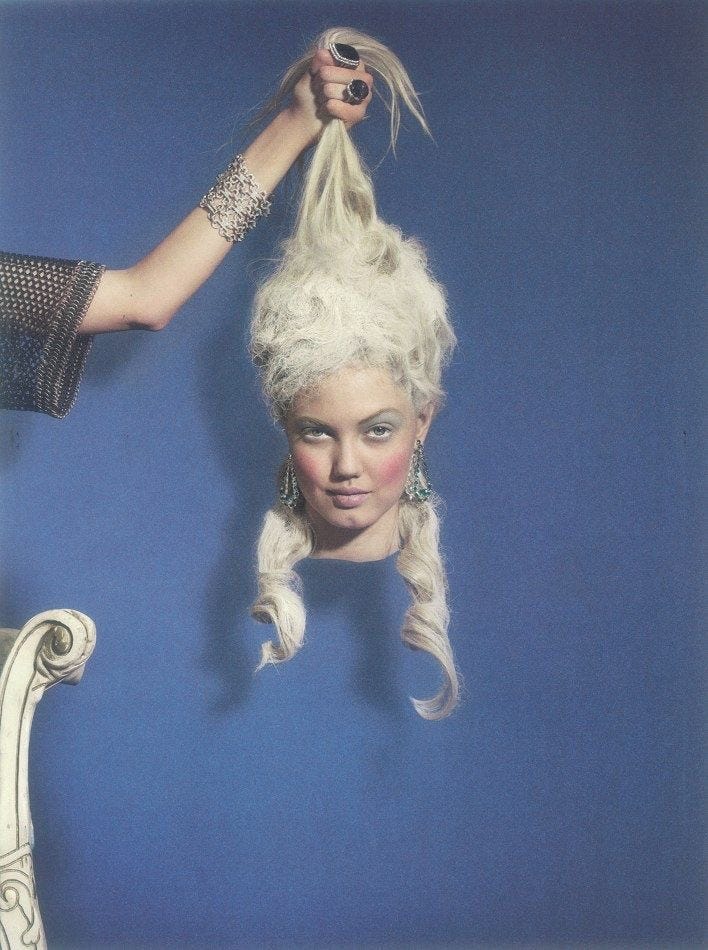
I did find an interesting similarity between one of the lyrics and a real event that happened not that long ago. The line about being stabbed “27 times” was likely not at all inspired by anything in particular, simply a number at random, but only just last month, an eighteen-year-old girl was reportedly stabbed precisely that many times by a man whom she met on a dating app. Her name was Yessenia Norman.
Though the song was not a direct reference to the event, it really only further proves the point of the song. Women live in a constant state of fear from so many oddly likely events happening, and the dead women are many times only dead as a result of these things.
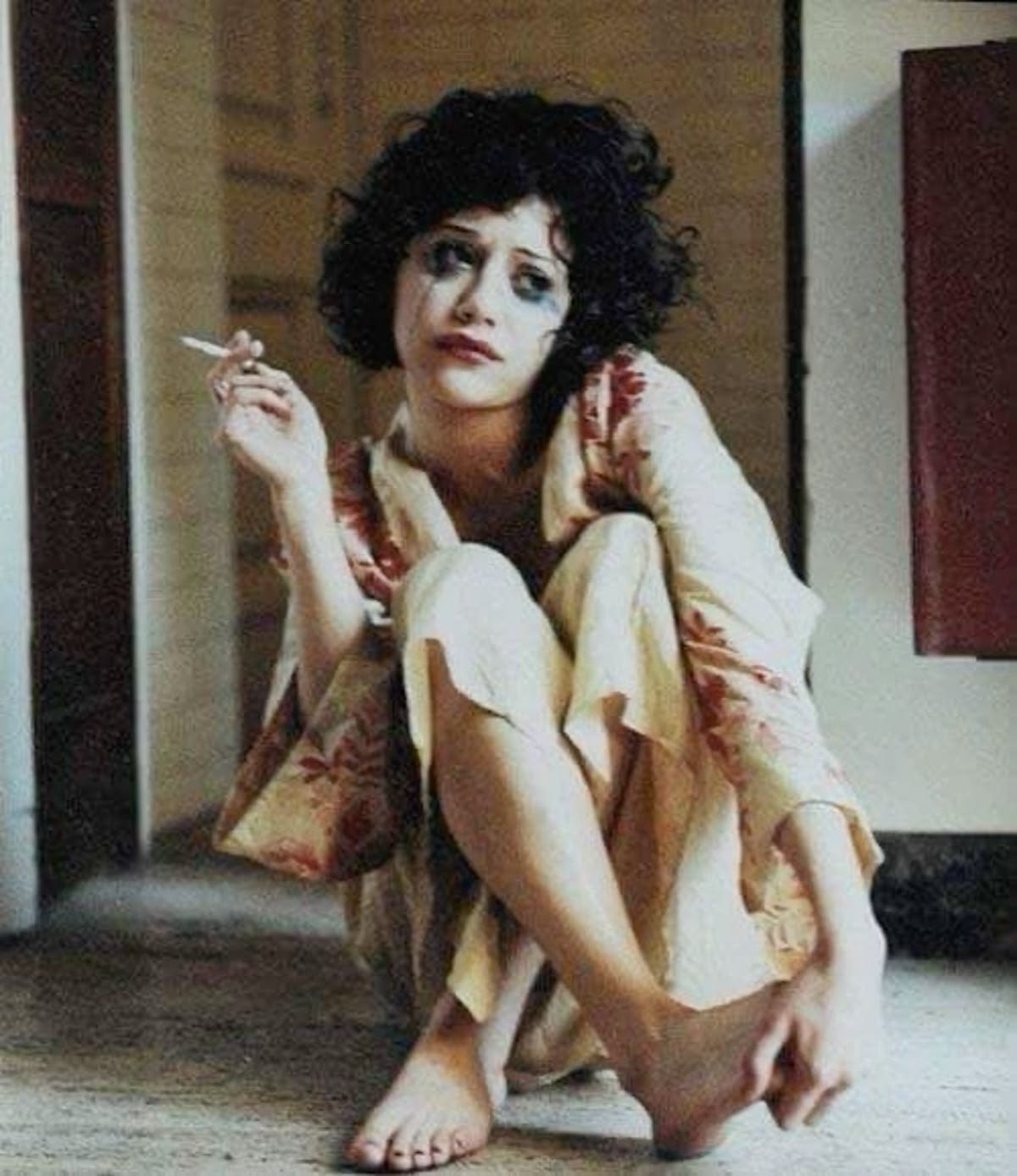
Even how she chose the wording “…if I’d sewn rocks in a dress, gone with grace into a lake…” specifically using the word grace, almost throwing a hint of striving into a sentence about killing oneself. The line that comes before also reflecting just that, “If I’d died willing, you’d have taken it nice.” As if one should be willing to sacrifice herself for the sake of perfecting an image or immortalizing a legacy.
It is just fascinating how a dead woman almost stands as more valuable than one which is still kicking. As I mentioned, Sylvia Plath has been almost embalmed in her own suicide, romanticized and idealized in a death that occurred sixty-three years ago. Especially prominent in the media today, she is, oddly enough, somehow praised for her oven-led demise—and the thing is, I cannot say that I have not fallen for the trap, loving The Virgin Suicides and all things Lolita.
Joan Didion is almost experiencing something similar in her death. She suddenly rose in popularity in the digital world, with everyone wanting to tell her story, share her journals, and embody a modern version of her. It is almost peculiar, almost unsettling, how society dances around dead women like its a mandatory ritual.
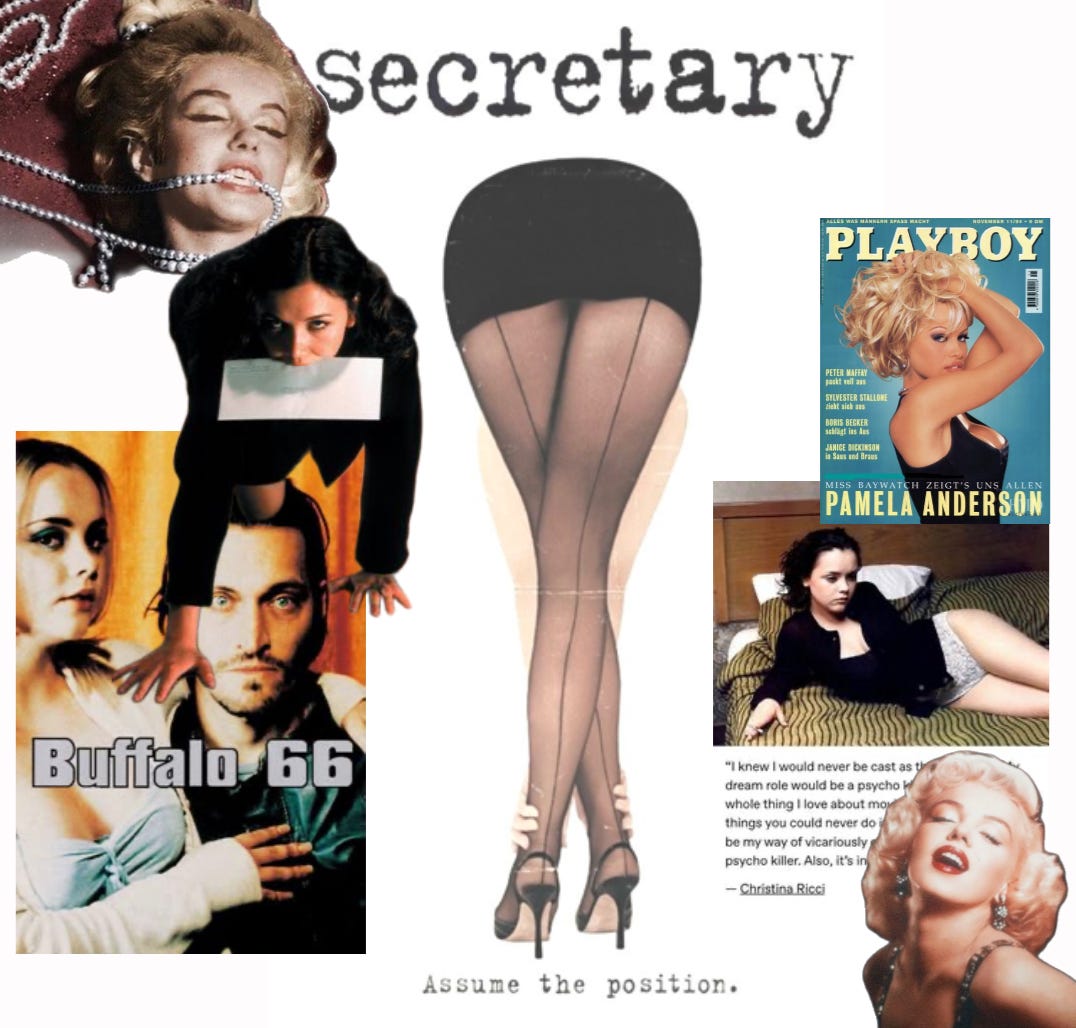
There is also the marketing of girlhood and the industry of selling one’s sexuality with the illusion of empowerment. This was especially shown to be a prominent misconception in the ‘90s when it was like the body was the market, and that was finally accepted. Modesty was no longer mandatory, and it fed the industry. Pamela Anderson being a great example, and the newfound online porn hotline of the time.
Now, with artists like Sabrina Carpenter, sexuality is sold with the illusion of innocence. Like the term “girlhood” has been coined to mean something that men of power can profit off of. Women are the product, being sold, and many a time, this is quite literal. This could be stemming from the whole “you’re so mature for your age” in a time where being half his age could be considered romantic when one romanticizes it properly. This idea that, yeah, you’d fuck him even if he was sixty and you just turned twenty—though most people saying this are merely joking, why has this become something so normalized?
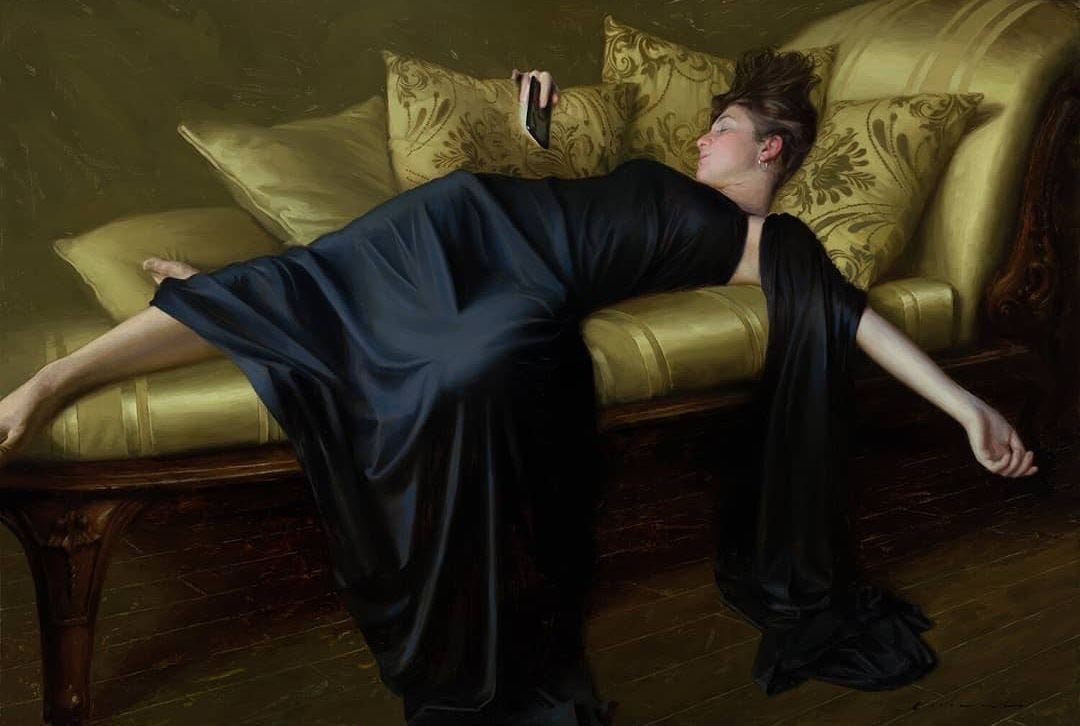
She gave her life so we could fuck her as we please!
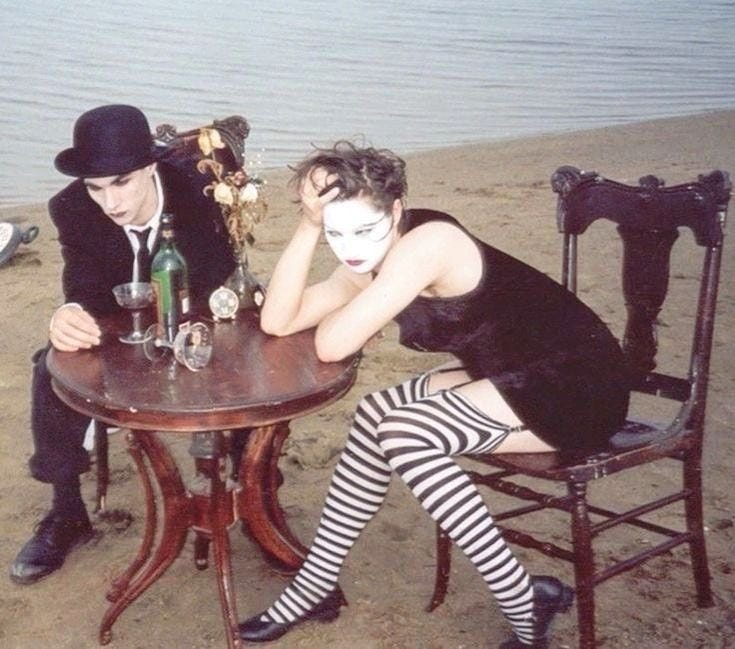
And following that line, the song is suddenly overthrown with a hauntingly performance based melody. Personally, the change in the background music reminded me highly of that of a circus or carnival in a way. Is that not a performance in itself? Is that not a direct reflection on everything so wonderfully put throughout the entirety of the song?
It is as if the moment a woman steps into the public eye, she is simply up for grabs. Selling her freedom in the name of fame, though most often not being aware of the extremity of the way she might be publicized.
Isn’t being sexy and grotesque what we have decided to strive to be, and what’s more is that it has come back to haunt us. What we are told to be, they can use against us, in the end.
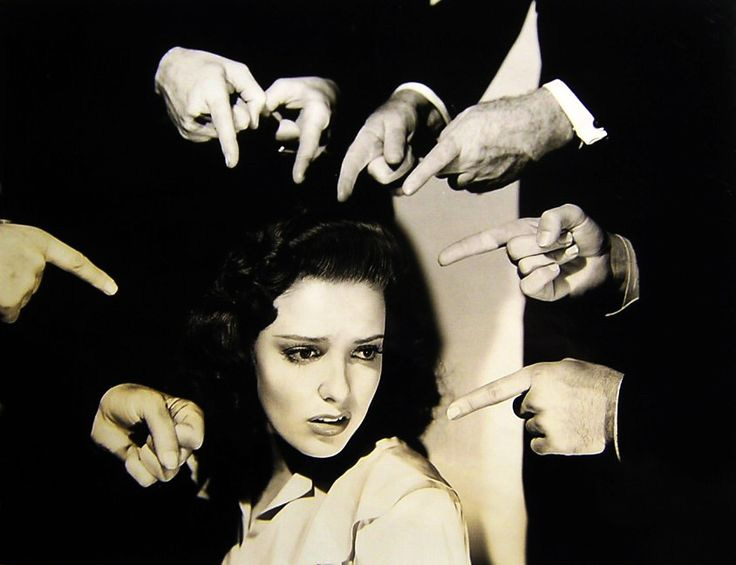

Yes, don’t worry, Maman. Je vais très bien.
✉ Thank you ever so very much for reading my diary. If you enjoy my work, please consider getting a paid subscription (as I am broke as fuck and so you don’t miss out on any of the goodies I have for you all) or simply subscribing. I cannot express to you all how grateful I am to have built such a wonderful community on my little corner of the internet.
Lots of love,
Jubilee xoxo
P.S. If you would like to be featured in the next issue of the Advice Column on Jubilee’s Diary, please feel free to reach out! I am sincerely open to answering anything you might have been pondering, needing a second opinion on. It does not have to be relational queries, but it can be something silly, too! Ask me about films, books, et cetera… Literally whatever comes to mind! You will not be receiving any judgment either, and the advice column always stays anonymous.
Send your questions in via Google Form or contact me directly through my email (raynejubilee@gmail.com) or direct messaging. Send as many as you’d like, and feel free to reach out anytime!
Issues are scheduled to be published every other Sunday at 08:00 (ET). If I receive enough questions, I will make the publications weekly.
Cups of coffee consumed during the creation of this piece: 4
Cups of tea consumed during the creation of this piece: 2
Cups of water consumed during the creation of this piece: 0